
Open Accessibility Menu
Hide

Campus Updates

Stay informed on the latest investments, technology, and advocacy efforts at Wayne HealthCare—your rural critical access hospital in Darke County.

12 Minutes Saved Per Flight
1.7 Miles Travel Eliminated
1,100+ Annual Ortho Cases
Fall 2026 Project Completion

Careflight Landing Zone

We are bringing life-saving care closer to home by constructing a dedicated helicopter landing zone in Lot D near our ambulance bay. This will support Careflight emergency transport services, enhancing our ability to respond quickly in critical situations.

12 Minutes

Average time saved per emergency flight
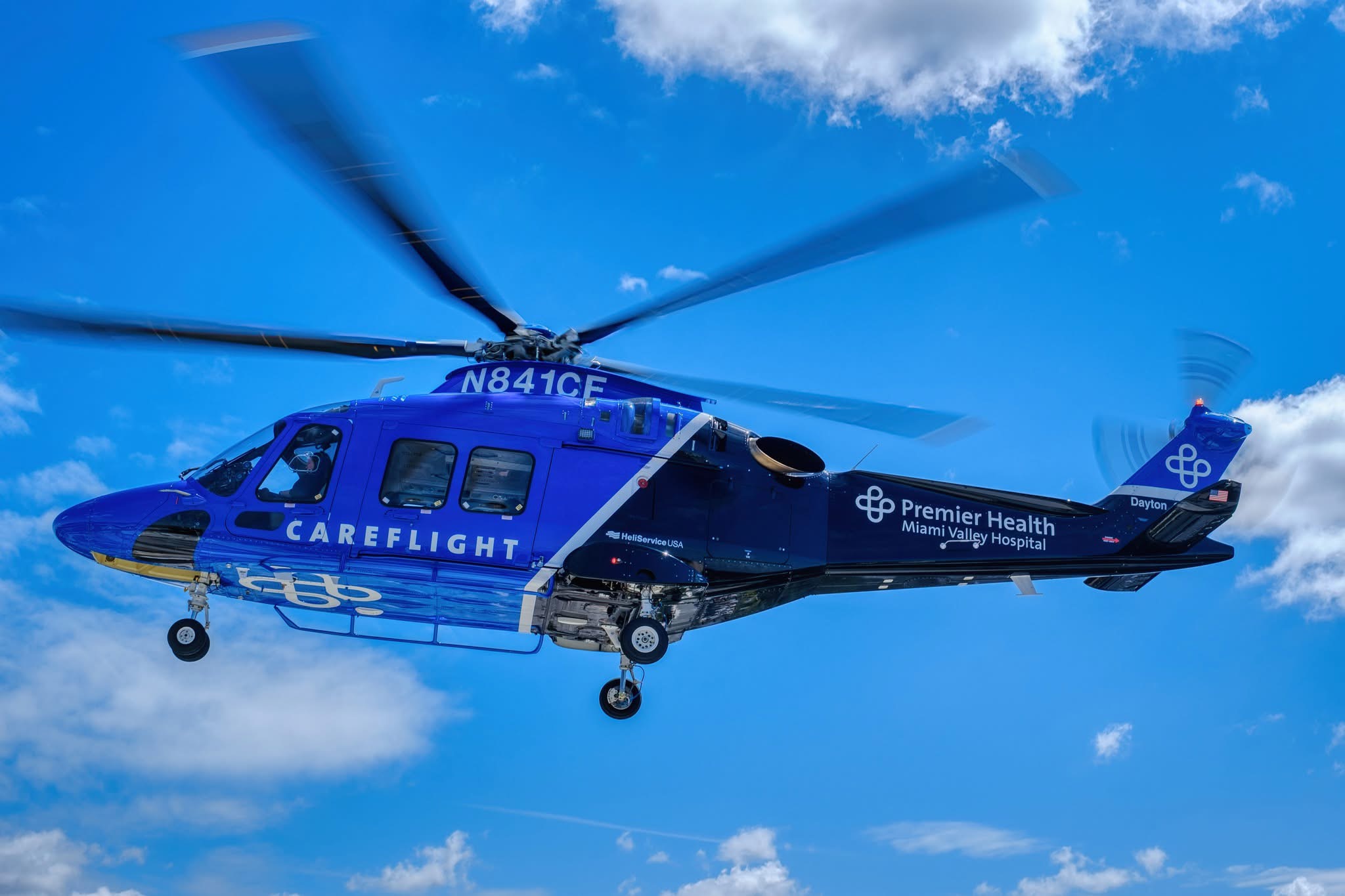
Medical emergency helicopter taking off

Project Milestone Tracker

Planning & FAA Approval
Groundbreaking
Construction
Operational (Fall 2026)

Advanced Medical Technology

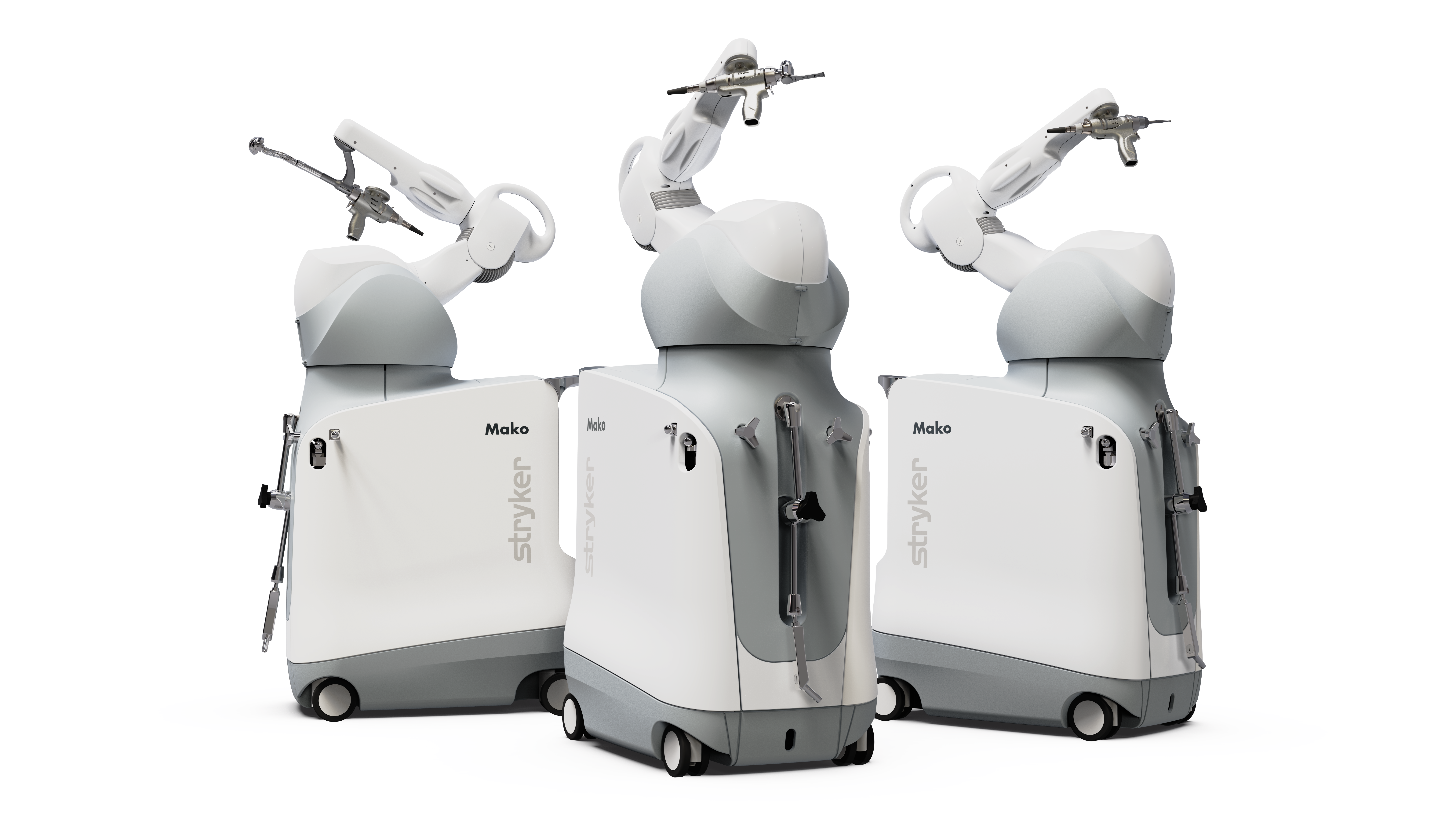
Surgical robotic arm in operation

Next-Generation Robotics for Joint Care

To support our Orthopedic Joint Venture, which sees over 1,100 cases per year, we are upgrading to the Stryker Mako 4. This ensures Darke County residents have access to the same precision robotic surgery found in major metropolitan hospitals.
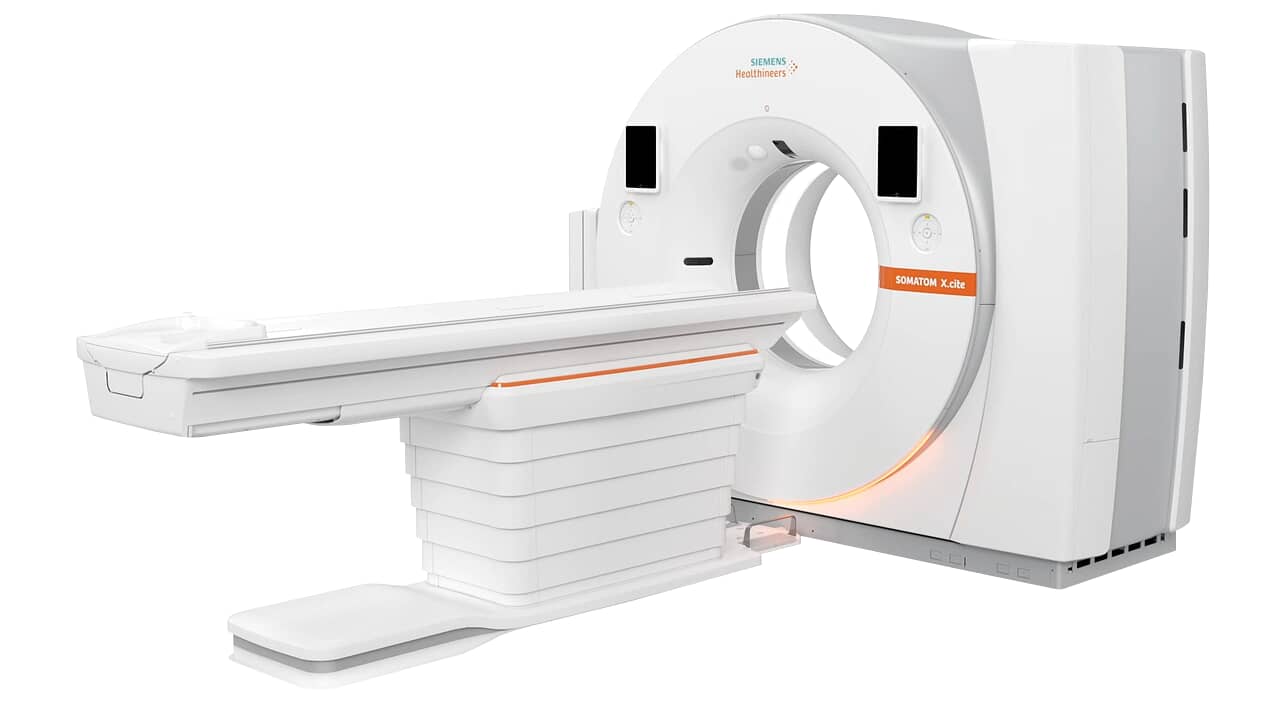
Modern CT scan machine in hospital

Siemens SOMATOM X.cite CT Scanner

Our new AI-guided CT scanner delivers superior image quality and faster scan times. This upgrade will enhance our ability to deliver timely, accurate diagnoses while improving the overall patient experience. We look forward to bringing this advanced technology online in the near future.
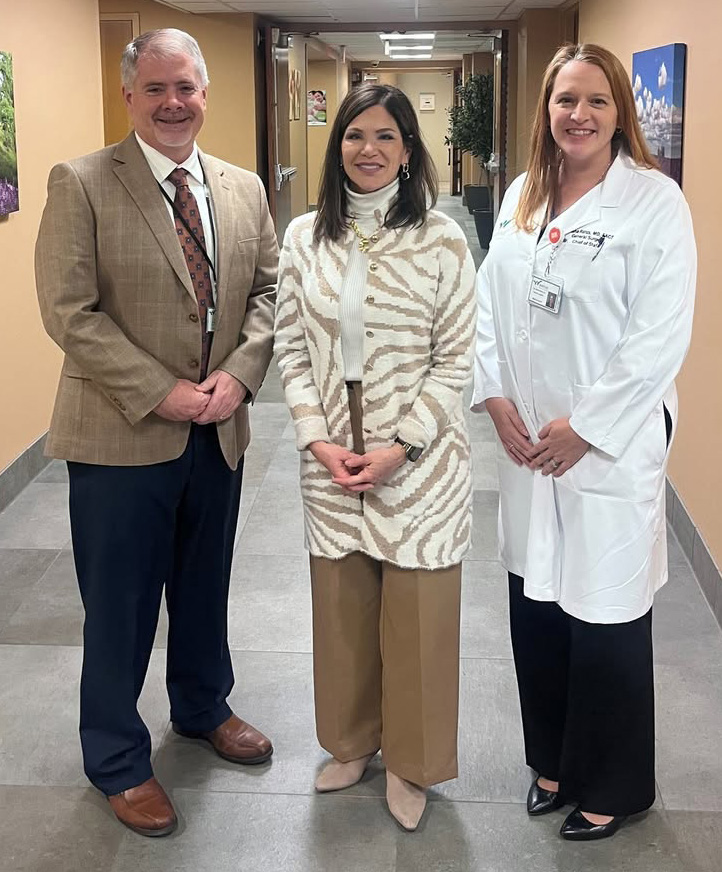
Healthcare leaders in a professional meeting

Leadership & Advocacy

Our leadership team, led by CEO Jeff Subler, remains dedicated to protecting rural healthcare. We recently hosted State Senator Susan Manchester and Representative Angie King to advocate for Darke County priorities.

We are also proud to announce Dr. Loren Buck, DO, as our first on-site employed radiologist, ensuring that our patients receive specialized expertise directly at the point of care.

CareFlight & Campus Safety FAQ

Patient Care & Clinical Impact
Why does Wayne need a helipad?
The current process requires landing 1.7 miles away, involving complex EMS coordination. A helipad beside the hospital eliminates these extra steps, allowing the medical crew to reach the patient immediately.
How much time will it save?
Average transfer time will drop from 41 minutes to 29 minutes. These 12 minutes are critical for protecting brain function and heart muscle during a stroke or heart attack.
What are the clinical benefits?
Beyond speed, it provides immediate access for specialized crews and reduces "out-of-hospital" time where a patient is in transit rather than receiving definitive care.
Why reduce transfers?
Each time a patient is moved, there is a risk of worsening injuries or dislodging medical devices like breathing tubes. A helipad means one transfer instead of multiple.
Community & Safety
Flight frequency?
Flights are strictly emergency-based only. On average, we anticipate fewer than five transfers per month.
Is it safe on campus?
Yes. Helipads are standard features at modern hospitals. We follow strict FAA regulations with professional pilots and a dedicated safety perimeter.
Will noise be a problem?
Helicopter activity is typically very brief, lasting only a few minutes. We are committed to being a respectful neighbor while delivering life-saving care.
Where is the location?
The helipad will be located in Lot D, situated near the ambulance bay and the Emergency Department for the most efficient transfer.
Purpose of the 4-foot fence?
It keeps bystanders at a safe distance, prevents debris from blowing, and ensures staff can focus entirely on patient care without wildlife or pedestrian intrusion.
Long-term support?
On-site helipads signify a modern facility, helping us attract top-tier physicians and specialists while strengthening our ability to secure future healthcare grants.